If you are thinking about buying on Golden Gate Point, the view is only the beginning. This small Sarasota peninsula offers a rare mix of bayfront scenery and downtown access, but it also calls for careful questions about the unit, the building, and the long-term ownership experience. The right due diligence can help you protect both your lifestyle and your investment, so let’s dive in.
Why Golden Gate Point Needs Extra Due Diligence
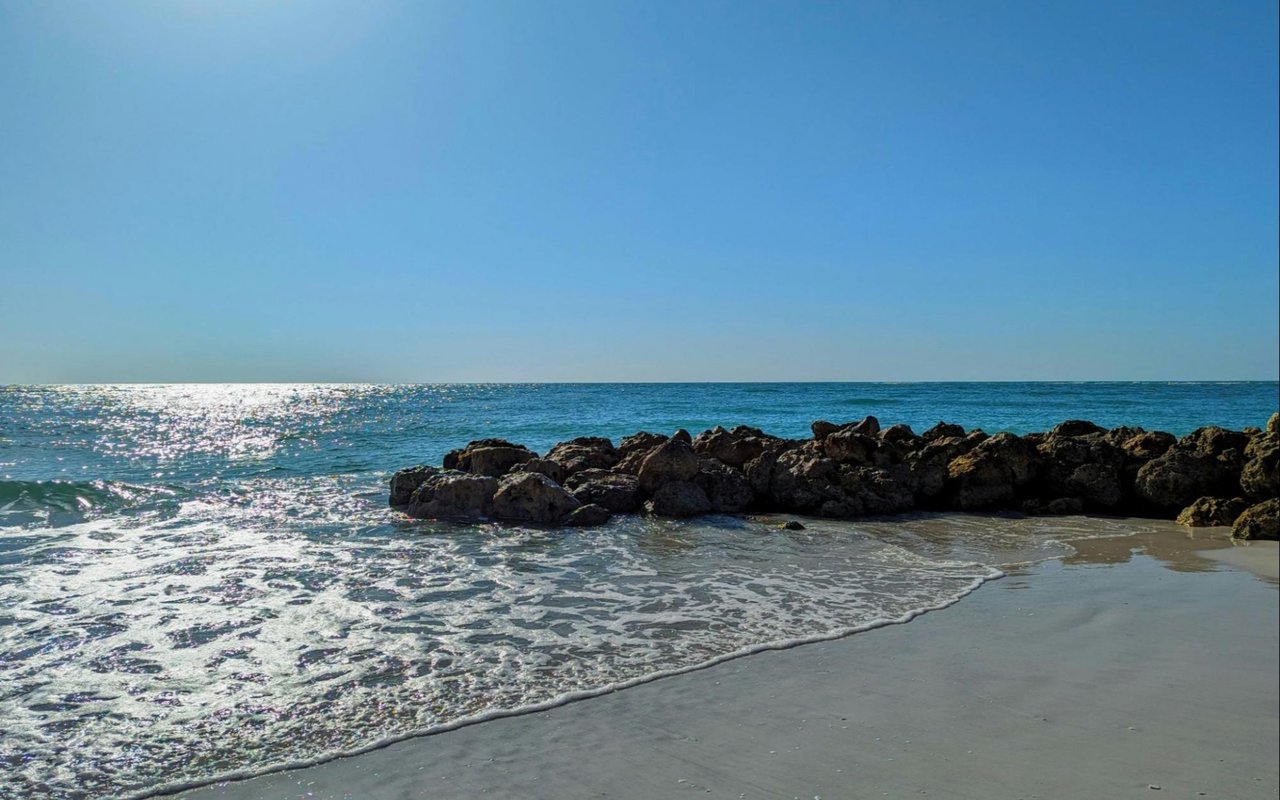
Golden Gate Point is a 22-acre peninsula in Sarasota with water views and close access to downtown restaurants, shops, theaters, and parks. Its setting is a big part of the appeal, with outlooks toward Sarasota Harbor, the marina, the inland waterway, and Ringling Bridge.
That same setting also makes details matter more. On a peninsula where views, building placement, traffic patterns, and waterfront exposure can vary from one property to the next, you want to look beyond photos and ask how the property will actually live day to day.
The area also has its own zoning standards under the City of Sarasota code. Those standards can allow no minimum lot size, along with building heights up to 50 feet and four stories, which means nearby redevelopment, building massing, and future view changes should be part of your review.
Ask About the Unit First
Which way does the unit face?
A unit’s orientation can shape everything from natural light to privacy. Two condos in the same building can feel very different depending on whether they face open water, the bridge, downtown edges, or another structure.
Ask what you will see from the living room, primary bedroom, and balcony. A listing may mention a water view, but you need to know whether that means broad open water, partial harbor views, skyline views, or a more limited angle.
How permanent is the view?
On Golden Gate Point, this is one of the most important questions you can ask. Because local zoning allows specific redevelopment potential, a view you enjoy today may not look the same in the future.
Ask whether adjacent parcels could be redeveloped and how nearby height or setback rules may affect your sightlines. If the view is a major reason you are buying, treat view permanence as a core part of your decision.
What will daily light and weather feel like?
The right exposure can make a home feel bright and open, while another may feel hotter, windier, or more shaded than expected. Ask how much direct sun the unit gets, what time of day the balcony is most usable, and whether wind exposure affects outdoor comfort.
This matters even more for seasonal owners who plan to spend a lot of time outside. A beautiful balcony is far more valuable when it functions as real living space.
Is the balcony actually usable?
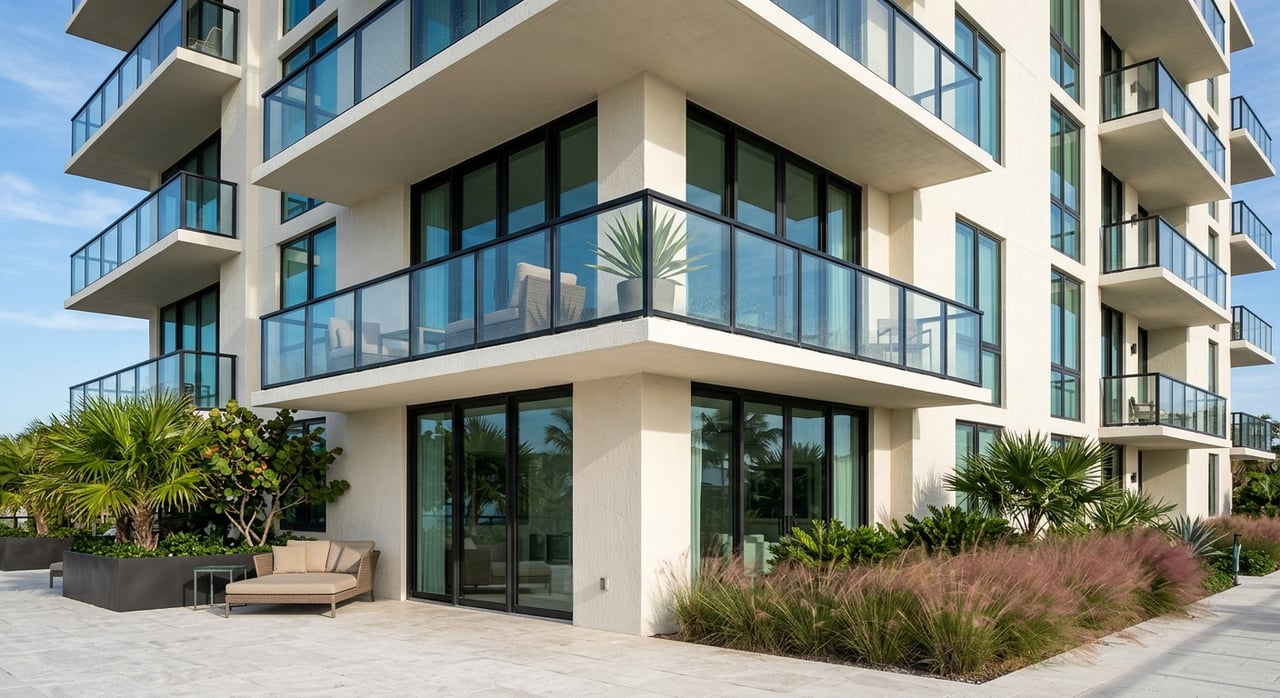
Not every terrace or balcony works the same way. Some are large enough for dining or lounging, while others are more decorative than practical.
Ask about dimensions, furniture placement, and how much privacy you have from neighboring units. If outdoor living is high on your list, make sure the space supports that goal.
What noise should you expect?
Golden Gate Point’s location near the bridge, marina, and downtown can be a plus, but it can also create activity levels that vary by building and exposure. Ask whether the unit picks up traffic noise from Ringling Bridge, sounds from marina activity, or late-night noise from nearby downtown areas.
Try to visit at more than one time of day if possible. Morning, afternoon, and evening can give you a more complete picture of how the home feels.
Confirm the Building Fits Your Lifestyle
How does parking work?
Parking convenience can have a bigger impact than many buyers expect. Ask whether parking is assigned, covered, secure, and easy to access for both owners and guests.
If you expect frequent visitors or seasonal use, guest parking matters too. A great unit can feel less convenient if everyday logistics are harder than they need to be.
Are storage and access practical?
Look at the small things that affect daily life. Ask whether there is dedicated storage, how close the elevator is to the unit, and whether access feels simple for groceries, luggage, or longer stays.
For full-time or part-time owners, these details can shape how easy the property is to enjoy. Convenience is part of livability.
Do the pet and use rules fit your plans?
Before you fall in love with a unit, confirm the building’s pet rules, renovation policies, and any use restrictions. You want the building’s rules to match how you plan to live in the home.
This is especially important if you are comparing full-time living with seasonal use. A building that suits one lifestyle may not suit the other.
Review the Association Carefully
Has the building completed required inspections?
In Florida, condominium buildings that are three habitable stories or higher may be subject to milestone inspection rules once the building reaches certain age thresholds. Under current law, inspections are generally required by age 30, and local enforcement may require them at age 25 in certain circumstances, including proximity to salt water.
Ask for the most recent milestone inspection summary if one applies. This review is meant to assess life safety and structural condition, and if phase-two repairs are required, repairs generally must begin within 365 days after the owner receives the report unless the local government sets a faster timeline.
Has the association completed a SIRS?
A Structural Integrity Reserve Study, or SIRS, is another key document for many Florida condo buyers. Existing unit-owner-controlled associations generally had to complete a SIRS by December 31, 2025, although buildings with a required milestone inspection due on or before December 31, 2026 may complete the SIRS at the same time, but not later than that date.
The SIRS covers major components tied to structural integrity, including the roof, structure, fireproofing and fire protection systems, plumbing, electrical systems, waterproofing and exterior painting, windows and exterior doors, and other qualifying items.
Are reserves healthy?
A budget can tell you a lot about how a building is being managed. For budgets adopted on or after December 31, 2024, associations that require a SIRS generally may not waive or underfund the required reserves for those covered items.
Ask to review the current reserve schedule and annual budget. You want to understand whether the association is funding major future needs in a steady way or whether owners may face larger costs later.
Are there special assessments or major projects ahead?
Do not stop at the annual budget. Ask whether there are any pending special assessments, loans, or lines of credit, and review board minutes for discussions about major repairs or capital improvements.
Also ask for engineering, waterproofing, or structural reports if they exist. On bayfront and waterfront properties, deferred maintenance can become more expensive if it is not addressed early.
Who maintains key waterfront systems?
On Golden Gate Point, this is especially important. Ask who is responsible for seawalls, drainage systems, parking areas, and other shared components that affect the property’s long-term condition.
Those items may not be as exciting as the view, but they are essential to understanding future costs and building health. Clarify whether maintenance falls to the condo association or another ownership group.
Understand Flood and Insurance Exposure
What flood zone is the property in?
Because Golden Gate Point is a waterfront peninsula, flood questions should be part of your due diligence from the start. The City of Sarasota says it can provide information about flood zones, elevation requirements, building requirements in special flood hazard areas, flood depths, and substantial improvement or damage rules.
Ask for the property’s flood zone and, when available, the elevation certificate. Those details can help you better understand both risk and insurance expectations.
What does the master insurance policy cover?
In a condo purchase, it is important to know where the association’s coverage ends and your personal responsibility begins. Ask for the insurance declarations and deductible amounts, including wind and flood deductibles.
You should also ask for a clear explanation of what the master policy covers and what it does not cover. That can help you plan for your own insurance needs more accurately.
Is there any flood insurance pricing benefit?
The City of Sarasota participates in the Community Rating System and says its Class 5 designation can allow flood insurance policyholders up to a 25% premium reduction before policy fees. While that may help, it does not replace property-specific review.
Insurance costs can still vary based on the building, elevation, and coverage structure. Treat citywide benefits as helpful context, not as a substitute for a detailed insurance review.
Check Rental Rules and Lifestyle Fit
Can you rent the unit the way you want?
If rental flexibility matters, do not assume a Golden Gate Point condo can be used for short stays or seasonal income. Within Sarasota city limits, short-term vacation rentals require a minimum stay of 7 full days and 7 full nights.
That is only part of the picture, though. You also need to confirm the building’s own lease minimums, rental caps, approval requirements, and any restrictions in the declaration or house rules.
Does the location fit your routine?
Golden Gate Point is known for walkable access to downtown amenities, but walkability still depends on your own habits and expectations. Ask yourself whether the location supports your real day-to-day routine, from dining and arts access to waterfront walks and parking convenience.
It is also worth asking whether the building feels like a quiet residential retreat or a more active seasonal property. The right match depends on how you plan to use the home.
Do the amenities justify the monthly fee?
Monthly condo fees should line up with the experience you want. Review the amenity package and ask whether it truly supports your lifestyle, especially if you are comparing multiple buildings.
A well-run building with amenities you actually use can offer strong value. The key is making sure the fee structure and the lifestyle offering make sense together.
Your Golden Gate Point Buyer Checklist
Before you move forward, keep your due diligence focused on the questions that matter most:
- Which direction does the unit face?
- What do you see from the main living areas and balcony?
- Could nearby redevelopment change the view?
- How much sun, wind, shade, and privacy does the exposure create?
- Is the balcony large and functional enough for your needs?
- What noise comes from the bridge, marina, or downtown activity?
- Is parking assigned, covered, and convenient?
- Do storage, elevator access, and pet rules fit your plans?
- Has the building completed any required milestone inspection?
- Has the association completed its SIRS?
- Are reserves properly funded?
- Are there pending special assessments, loans, or major repairs?
- Who maintains seawalls, drainage, and parking areas?
- What flood zone is the property in?
- What do the master insurance policy and deductibles look like?
- What are the building’s rental rules and approval requirements?
Buying on Golden Gate Point can offer a compelling mix of waterfront scenery and downtown Sarasota access. The smartest buyers look beyond the view and ask careful questions about livability, association health, flood exposure, and long-term fit before they commit.
If you are weighing a condo on Golden Gate Point or comparing Sarasota waterfront options, Bruce Myer Group can help you ask the right questions and move forward with clarity.
FAQs
What should buyers ask about views on Golden Gate Point condos?
- Ask which direction the unit faces, what is visible from the living room, primary suite, and balcony, and whether nearby redevelopment could change the outlook over time.
What condo documents should buyers request before buying on Golden Gate Point?
- Request the most recent SIRS, milestone inspection summary, annual budget, reserve schedule, board minutes, insurance declarations, any engineering or structural reports, and the building’s rental and pet rules.
What flood questions matter when buying on Golden Gate Point?
- Ask for the property’s flood zone, elevation certificate if available, wind and flood deductibles, and a clear explanation of what the association’s master insurance policy covers.
What are the rental rules for condos in Sarasota city limits?
- Sarasota city limits require a minimum stay of 7 full days and 7 full nights for short-term vacation rentals, and buyers should also confirm the building’s own lease minimums, caps, and approval rules.
Why do milestone inspections and SIRS matter for Golden Gate Point buyers?
- These documents help you understand structural condition, reserve planning, and potential future costs, which is especially important in older coastal condo buildings near salt water.